
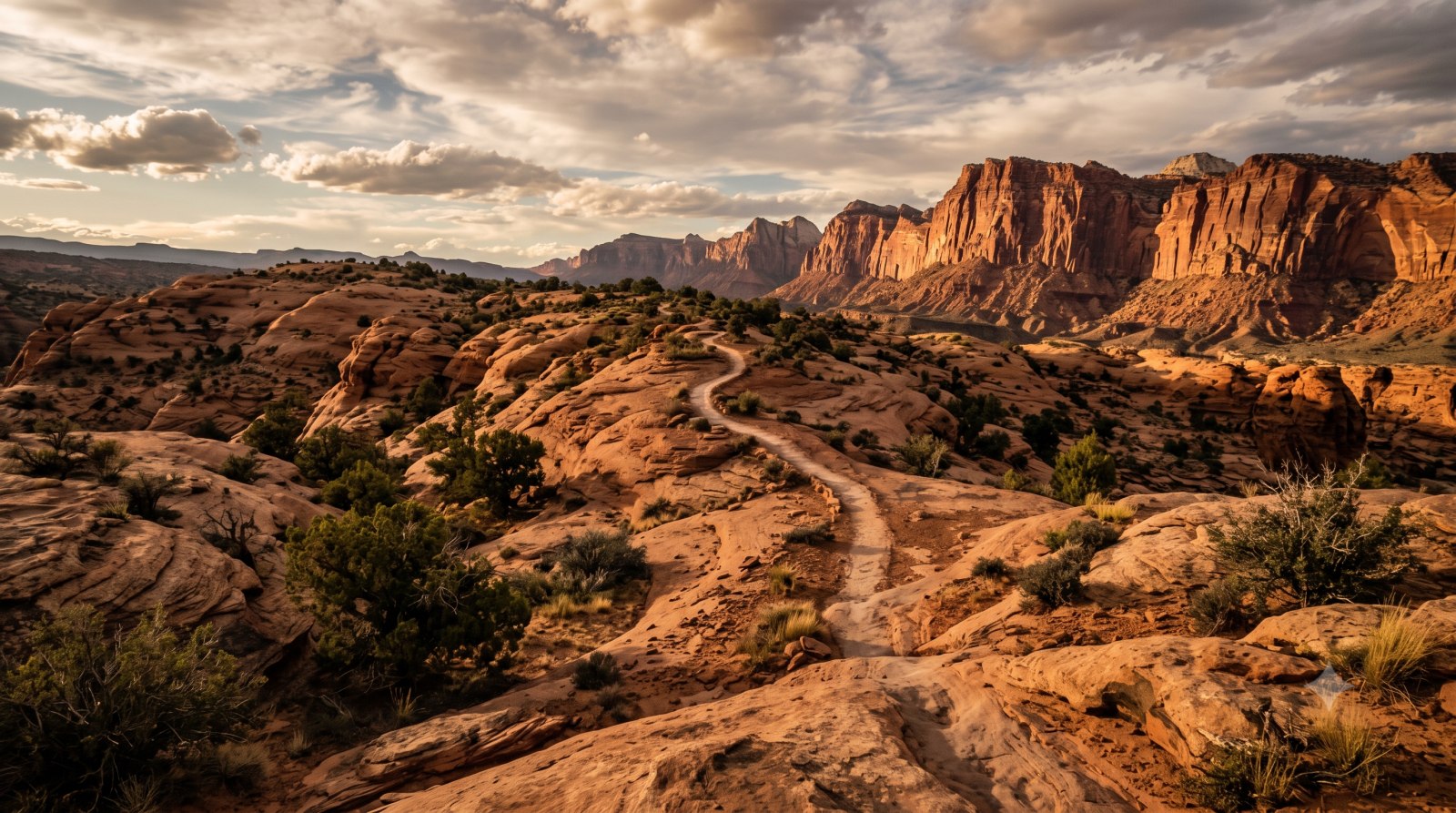
An out-and-back through the Little Bighorn and Tongue River drainages of the Bighorn National Forest, consistently ranked among the ten hardest 100-milers in the country — and a Hardrock and Western States qualifier.
Quick facts
- Location: Dayton, WY (start/finish), an out-and-back into the Bighorn National Forest
- Date: Mid-to-late June (2026 running was June 19-20)
- Distance: 100 miles, out-and-back, 35-36 hour cutoff
- Website: bighorntrailrun.com
- Contact: racedirector@bighorntrailrun.com — Race Director Cheryl Sinclair
- Registration: Open registration via bighorntrailrun.com, typically opens mid-October for the following June; sells out to a waitlist. A Hardrock 100 and Western States 100 qualifier.
Course description
An out-and-back from Dayton, Wyoming into the Bighorn National Forest, crossing the Little Bighorn and Tongue River drainages. The course mixes 76 miles of technical singletrack, 16 miles of rugged 2-track jeep road, and 8 miles of gravel road, climbing through alpine meadows thick with wildflowers, creek crossings, and long stretches above treeline where weather can change within minutes. Roughly half of the race’s total climbing is packed into three sustained stretches: about 4,000 feet in the first 7.5 miles (most of it after mile 4), another 4,000 feet of more gradual climbing between miles 30 and 47, and a steep 2,200-foot push between miles 66 and 70 on the return.
Elevation change
Approximately 20,500 feet of cumulative gain and loss. Elevation ranges from 4,600 feet to 9,400 feet.
Aid stations
Key early stations include Lower Sheep Creek (mile 3.5, 5,025 ft) with water, sports drink, and trail snacks; Upper Sheep Creek (mile 8.5, 7,450 ft) adding fresh fruit; Dry Fork Ridge (mile 13.5, 7,480 ft), a major station with sandwiches, soup, chips, and jerky; and Kern’s Cow Camp (mile 19.5, 6,600 ft), affectionately known as “The Bacon Station” for its signature offering. Multiple additional crew-accessible aid stations continue along the out-and-back toward the turnaround and back.
Special conditions & average temps
High altitude — the course peaks near 9,400 feet — combined with typical June heat in the lower canyons makes for large temperature swings over the 35-36 hour cutoff. Long sections sit above treeline where afternoon thunderstorms can move in quickly with little warning. Technical, rocky descents demand solid mountain-running skills, and creek crossings add an extra variable depending on snowmelt timing that year.
Recent results — top 3, men & women
2026
- Men: 1. Bo Shelby 17:58:03 (course record) · 2. Ben Quatromoni 18:10:31 · 3. John Dragon 19:48:48
- Women: 1. Leah Handelman 24:23:35 · 2. Holly Adams 25:37:34 · 3. Amber Hardwig 26:39:24
2025
- Men: 1. Brett Carlson 19:25:40 · 2. Croom Beatty 20:01:36 · 3. Kim Collison 20:07:48
- Women: 1. Nicole Laughton 21:02:37 · 2. Josie Walters 24:42:50 · 3. Marilee Woyth 24:49:14
2024
- Men: 1. Anthony Lee 21:36:40 · 2. Charlie Michaletz 21:48:14 · 3. Andrew Pavek 21:54:00
- Women: 1. Charissa Kenny 23:35:45 · 2. Christina Richards 23:42:52 · 3. Kallie Smith 23:56:59
Registration deadline & how to get in
Open registration via bighorntrailrun.com, typically opening mid-October for the following June’s race. The 100-mile field fills quickly; once full, entry moves to a waitlist. No qualifying race is required to register, but Bighorn itself qualifies finishers for both the Hardrock 100 and Western States 100 lotteries.